
The Samsung Galaxy S Series has been a name that many people recognize since it first came out in 2010. This article looks at the Samsung Galaxy S Series and ranks the phones from worst to best. Over more than a decade, each model in the Samsung Galaxy S Series has shown improvements, changes in design, and shifts in technology that helped shape the modern smartphone market. By ranking these phones, we can see how far the series has come and understand the strengths and weaknesses of each device. This ranking is based on factors such as features, reception, and overall importance in the series.
The Evolution of the Samsung Galaxy S Series
The Samsung Galaxy S Series began its journey on June 4, 2010, and has grown to become one of the most talked-about smartphone families in history. Early models introduced features that were new for the time, setting the foundation for what modern smartphones would become. Over the years, the Samsung Galaxy S Series has improved in design, performance, and overall functionality. From the first generation with basic hardware to later models boasting advanced cameras, better displays, and more powerful processors, the series has marked its evolution in the smartphone industry. This progress has helped the series become synonymous with high-quality Android devices.

The Challenges of Ranking the Samsung Galaxy S Series
Ranking the models in the Samsung Galaxy S Series is challenging because every phone in the series was a leader in its own time. The criteria for this ranking include factors like critical reception, commercial success, and the actual importance of each device in shaping the smartphone market. Some models, despite being lower in the ranking, introduced features that later became standard, while others were notable for their design changes or innovative hardware. Balancing these aspects makes it difficult to decide which models stand out the most and which fall behind. The Samsung Galaxy S Series represents a long history of technological achievements and moments of both success and compromise.
Rank 1: Samsung Galaxy S7
The Samsung Galaxy S7 sits at the top of the Samsung Galaxy S series ranking because it corrected many of the shortcomings seen in earlier models. This phone brought together a water-resistant design, wireless charging, and microSD expansion in one device. Its 12MP main camera offered excellent photo and video quality, and the inclusion of features such as 240fps slow-motion recording further boosted its appeal. The overall design and performance of the S7 have set a high benchmark for the Samsung Galaxy S series. Its balanced combination of form and function makes it a standout model that influenced the future direction of the series.
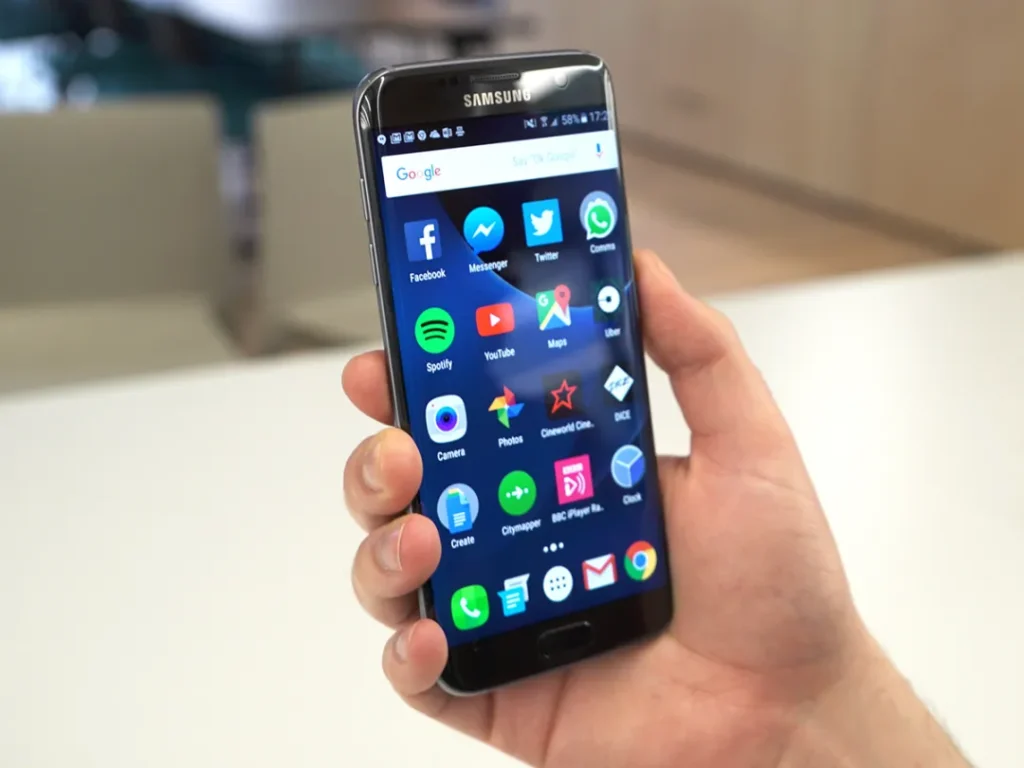
The Galaxy S7 also refined the user experience by addressing issues such as battery life and camera performance that were present in its predecessors. With a design that merged elegance with durability, this device showcased the best of what Samsung could offer in the Galaxy S series. Its well-thought-out features, including improved internal components and a refined interface, have helped solidify its reputation as one of the finest models in the lineup. The lasting impact of the Samsung Galaxy S series is evident in how the S7 continues to be celebrated among enthusiasts and casual users alike.
Rank 2: Samsung Galaxy S10
The Samsung Galaxy S10 claims the second spot in our ranking of the Samsung Galaxy S series due to its well-rounded performance and versatility. Introduced with several variants, including the compact S10e and the larger S10 Plus, this generation offered flexible camera setups that catered to diverse user needs. The punch-hole display design provided a modern look while maintaining a balance between aesthetics and functionality.
In addition to its design and camera innovations, the Galaxy S10 retained several practical features such as the 3.5mm headphone jack and wireless charging support. These inclusions ensured that the device met everyday demands without compromising on quality or performance. Although the charging speed was relatively slow and the in-display fingerprint sensor sometimes showed inconsistencies, the overall experience offered by the S10 was impressive.
Rank 3: Samsung Galaxy S5
The Samsung Galaxy S5 takes the third position in our ranking of the Samsung Galaxy S series because it introduced several practical features that improved everyday usability. Launched in 2014, this model brought water resistance, a removable battery, and microSD support to the forefront. It also showcased the ability to record in 4K and offered real-time HDR capture, making it a significant advancement in mobile photography.
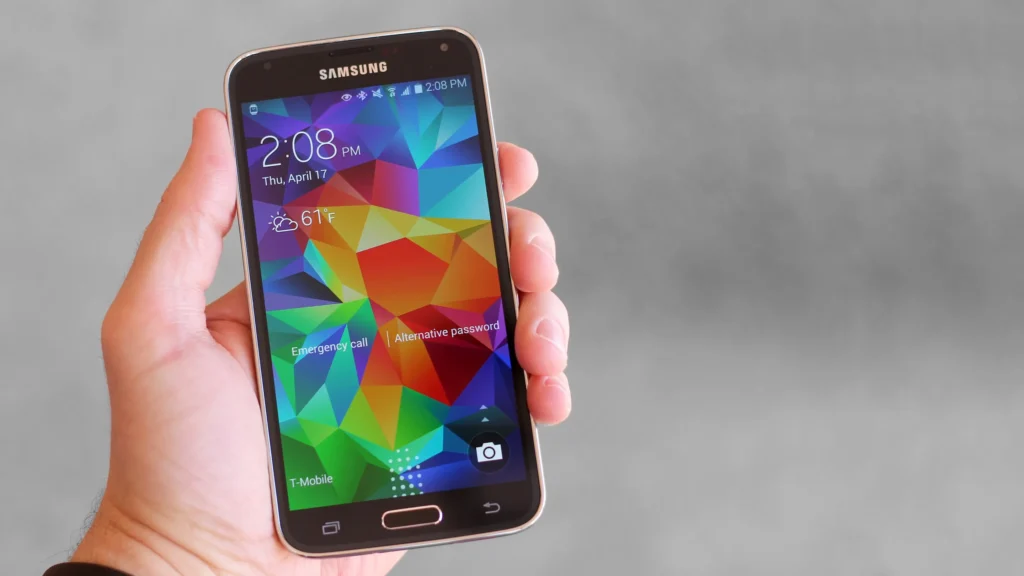
The Galaxy S5 built on the reputation of the Samsung Galaxy S series by balancing innovative technology with practical design choices. The inclusion of water resistance and the convenience of a removable battery ensured that users could rely on the phone in various situations. Although certain design elements, such as the micro-USB port with its plastic flap, received minor criticism, the overall functionality and performance of the S5 set a high standard.
Rank 4: Samsung Galaxy S8
The Samsung Galaxy S8 is ranked fourth in the Samsung Galaxy S series because it introduced a significant design shift that influenced many later models. With its 18:9 screen ratio and stunning OLED display, the S8 offered a visually appealing experience that made the phone easy to hold and use. This model introduced innovative features such as DeX, the Bixby voice assistant, and an iris scanner for enhanced security. Although the placement of the rear fingerprint scanner was not ideal, the overall design and performance of the S8 helped push the Samsung Galaxy S series forward.
The Galaxy S8 delivered improved photo quality through multi-frame image processing and a 3D Touch home button that replaced traditional physical buttons. The device also showcased a sleek glass build that, while attracting fingerprints, contributed to its premium look. These aspects of the S8 have contributed to its high regard within the Samsung Galaxy S series.
Rank 5: Samsung Galaxy S3
The Samsung Galaxy S3 earns the fifth rank in our evaluation of the Samsung Galaxy S series by marking a significant milestone in the early years of Android smartphones. Known for its powerful internals, removable battery, and microSD support, the S3 provided users with a versatile and dependable device. Its design, though constructed from plastic, was both functional and durable, and it introduced several useful software features that set the stage for future developments.
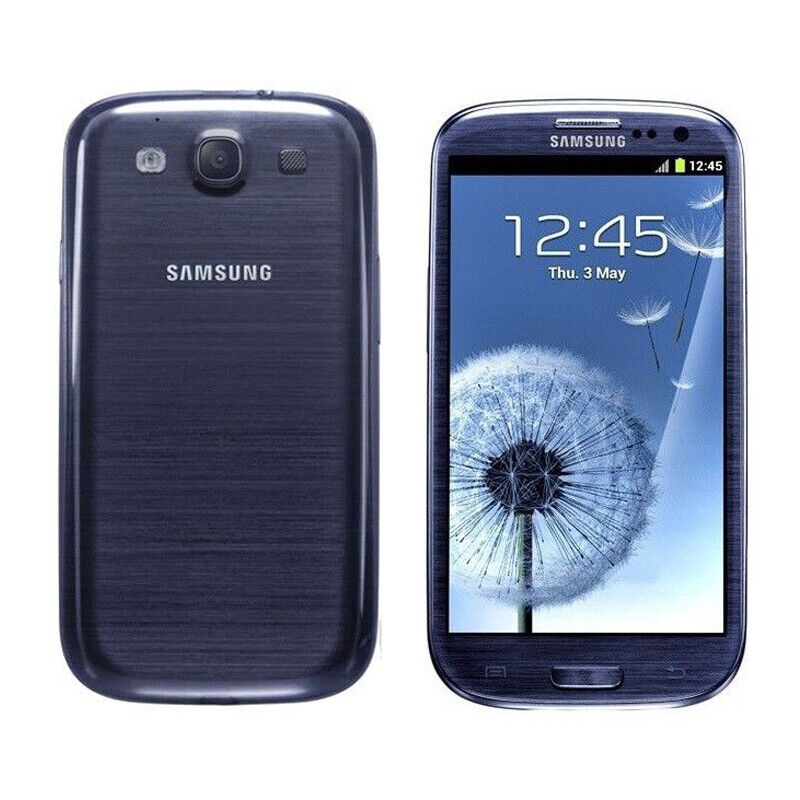
The Galaxy S3 also brought forward a range of innovative software additions, such as Smart Stay and popup video players, which enhanced everyday usage. These features, along with its strong hardware performance, established the S3 as a benchmark for subsequent models in the Samsung Galaxy S series. While the TouchWiz user interface may not have been as polished as later versions, it still provided valuable functionality that was appreciated by users.
Rank 6: Samsung Galaxy S24
Positioned at rank 6 in our ranking of the Samsung Galaxy S series, the Samsung Galaxy S24 brings several notable upgrades that set it apart from previous models. The S24 series, particularly the S24 Plus, offers improvements in battery capacity, a brighter QHD+ screen, and increased base storage of 256GB. These enhancements contribute to a more robust performance that appeals to many users. Additionally, the S24 series features advanced Galaxy AI functions and a promise of seven years of OS and security updates.
Moreover, the Galaxy S24 series includes some strategic design choices that refine its overall performance. For instance, the decision to change the Ultra line’s camera setup from a 10MP 10x shooter to a 50MP 5x system has sparked discussion among fans. Despite retaining a similar design language to earlier models, the S24’s enhancements in processing power and display brightness have helped it secure a respectable rank.
Rank 7: Samsung Galaxy S23
The Samsung Galaxy S23 takes the seventh spot in the Samsung Galaxy S series ranking because it builds upon the strong foundation of its predecessors while introducing noteworthy improvements. This generation marked a shift as it standardized the use of Snapdragon processors across all regions, ensuring more consistent performance. The S23 and S23 Plus benefited from increased battery capacity, enhancing overall endurance, while the S23 Ultra introduced a remarkable 200MP main camera for superior image quality. Despite facing some limitations, such as slower charging speeds on the standard model and regional price adjustments, the S23 has been a solid performer within the Samsung Galaxy S series.
The Samsung Galaxy S series continues to evolve with each release, and the S23 stands as a testament to Samsung’s commitment to innovation. Its improved fingerprint scanner and refined camera system have been well received by users who value clear and detailed photography. While certain areas like available RAM and charger inclusion remain points of contention, the overall performance of the S23 has helped it secure a mid-range position in the ranking.
Rank 8: Samsung Galaxy S22
The Samsung Galaxy S22 is placed at rank 8 in our evaluation of the Samsung Galaxy S series due to a mix of enhancements and compromises. One of the key features of the S22, especially in the Ultra variant, was the integration of an S Pen slot, which brought the device closer to the functionality of the Note series. The S22 series maintained a 5,000mAh battery and improved its camera systems, offering true telephoto capabilities in the base and middle models. However, some models in the S22 lineup experienced a battery downgrade compared to previous generations.
The Galaxy S22 series continued the trend of delivering premium glass backs with Gorilla Glass Victus Plus and a robust design that users have come to expect from the Samsung Galaxy S series. The careful balance between advanced features and minor compromises such as the absence of an in-box charger has maintained its relevance in the competitive smartphone market. Although the sustained performance and battery life were not perfect, the overall design and functionality helped the S22 secure a steady position in our ranking.
Rank 9: Samsung Galaxy S9
The Samsung Galaxy S9 is ranked ninth in the Samsung Galaxy S series because it represents a transitional phase that bridged older design philosophies with newer innovations. The S9 introduced a dual-camera setup in its Plus version, along with native 960fps slow-motion recording and the novel AR Emoji feature. While these enhancements added versatility to the camera system, the standard S9 was limited by having less RAM and fewer camera capabilities than the Plus variant.
The Samsung Galaxy S9 retained several appreciated features such as a convenient fingerprint scanner location, support for wireless charging, and the inclusion of a 3.5mm audio jack along with an IP68 rating. These elements provided practical benefits that users valued in everyday use. However, the evolution from the S8 to the S9 was seen as more of an incremental improvement rather than a radical shift, which affected its overall standing.
Rank 10: Samsung Galaxy S25 series
The Samsung Galaxy S25 series is placed at rank 10 in our ranking of the Samsung Galaxy S series due to its limited upgrades compared to previous models. While the series continues to offer the powerful Snapdragon 8 Elite chipset across all regions, it has not introduced major improvements in battery and charging specifications. The S25 series maintains a similar camera system to earlier models, with only the Ultra version featuring a 50MP ultrawide camera and Gorilla Armor 2 protection.
The Samsung Galaxy S series has long been associated with constant innovation and improvement, and the S25 series falls short in this regard when compared to previous generations. The absence of significant advancements in key areas such as battery capacity, charging speed, and camera enhancements has kept the S25 series from reaching higher acclaim. Although the devices offer strong performance and useful Galaxy AI features, the lack of fresh upgrades and a familiar design language have influenced its position at the bottom of our ranking.
Conclusion
In conclusion, the ranking of the Samsung Galaxy S Series shows a clear evolution of design, features, and technology over the years. Each model, from the early Samsung Galaxy S to the later releases like the S23 and S24, played a part in shaping the future of smartphones. The process of ranking these models is not just about listing features, but also about understanding the context of each device at the time of its release. The Samsung Galaxy S Series has consistently introduced new ideas and improvements, and even the lower ranked models have been important steps in the evolution of the series.


