Battery improvements may not always grab attention, but they play a major role in how we use our devices daily. While processors have become quicker, displays smoother, and cameras sharper, battery performance has lagged behind. That may be changing now, thanks to a quiet shift in battery science called silicon-carbon technology.
1. The Shortcomings of Lithium-Ion
For years, smartphones, laptops, and electric vehicles have depended on lithium-ion batteries. These batteries usually feature graphite anodes, which are safe and dependable, but have nearly reached their performance ceiling.
Graphite stores lithium ions effectively, but it maxes out at a capacity of 372mAh per gram. Over time, only minor improvements have been made—around 3 to 5 percent per generation. This isn’t enough, especially as users demand sleeker devices with longer battery life.
2. Enter Silicon-Carbon
Silicon has the potential to reshape battery performance. It can hold nearly ten times the lithium of graphite, theoretically allowing up to 4,200mAh per gram. But there’s a problem—silicon expands significantly when charging, sometimes by as much as 400 percent. This leads to structural damage and batteries that wear out quickly.
To address this, engineers developed the silicon-carbon composite, which blends nano-sized silicon particles into a carbon structure. The carbon helps stabilize the battery, while the silicon boosts storage capacity. Instead of using pure silicon, which would degrade quickly, these batteries contain 5 to 15 percent silicon—just enough to improve performance without risking early failure.
3. How It Works Differently
Like traditional lithium-ion batteries, silicon-carbon models transfer lithium ions between the anode and cathode during use. The difference is that the enhanced anode can hold more ions in the same space. This allows a battery rated at 5,000mAh to deliver up to 6,000mAh, all without making the battery larger.
This added capacity can also be used to reduce battery size, giving devices a slimmer profile without cutting down on usage time.
Besides the size advantage, silicon-carbon batteries charge faster, work better in cold weather, and keep more usable power at lower voltages. For example, Honor’s lab tests showed a 240 percent improvement in remaining battery life at 3.5V compared to traditional lithium-ion batteries, meaning more usage time before the phone shuts off.
4. Why It’s Gaining Traction Now
Honor was the first brand to launch a phone using a silicon-carbon battery back in 2023. Since then, other manufacturers like Xiaomi, OnePlus, Oppo, Vivo, and even Huawei’s lower-cost models have adopted the technology. Foldable phones have benefited the most, with models like the Honor Magic V2 and Vivo X Fold 3 Pro offering full-day use in devices thinner than 10mm—something that felt impossible not long ago.
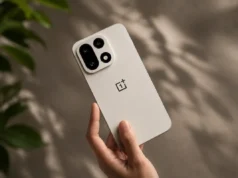
By 2025, leading phones like the OnePlus 13 and Xiaomi 15 Ultra came equipped with 6,000mAh silicon-carbon batteries without increasing thickness. Huawei made headlines by releasing a phone under $200 with a 6,620mAh battery, and Honor’s Power series crammed in 8,000mAh while keeping thickness under 8mm.
The pace of adoption hasn’t slowed. Xiaomi’s Mix Flip 2 features a 5,165mAh battery, Honor’s Magic V5 has a 6,100mAh unit, and the Vivo X Fold 5 includes a 6,000mAh battery—all within slimmer designs than ever before. Thanks to this tech, the compromise between a sleek phone and long battery life is quickly becoming a thing of the past.
5. What’s Holding Back Apple and Samsung?
The main reason is caution. Apple and Samsung prioritize durability, and early silicon-carbon batteries degrade slightly quicker than their lithium-ion counterparts. There’s also the issue of logistics—shipping large, single-cell batteries over 20Wh comes with regulatory challenges. Many of today’s Si/C-powered phones are either limited to China or use split-cell setups to meet shipping rules.
But that could change soon. Reports suggest Samsung is testing the technology for its future Galaxy S26, while Apple may adopt it once the batteries consistently maintain 80 percent of their original capacity after 500 full charge cycles. When that milestone is hit, Apple might even present it as a major innovation.
6. Looking Ahead
Silicon-carbon isn’t the final destination. New battery types like solid-state and sodium-ion are under development but still need time to mature. For now, silicon-carbon offers the best mix of practicality and progress. It enhances lithium-ion batteries without needing an entirely new infrastructure.
In today’s world of slim phones, foldable designs, and AI-heavy features that drain power fast, this technology arrives at just the right moment. For everyday users, it means less charging anxiety, more screen time, and slimmer devices. No magic here—just smart chemistry, finally delivering the kind of battery performance users have been hoping for.
(source)