The smartphone world has always been fascinated with prestige. For a long time, a phone did not truly feel premium unless it carried the badge of a famous camera brand or a luxury car maker. Names such as Leica, Zeiss, Hasselblad, Porsche Design and Lamborghini were not just decorative logos. They served as trust signals, convincing buyers that their phones had elite camera quality or luxury appeal. As we move closer to 2026, however, that culture seems to be slowly losing its influence.
1. Walking Away From the Logo
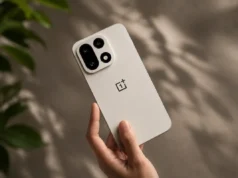
One clear example is the end of the partnership between OnePlus and Hasselblad. When the collaboration began, it was a statement that OnePlus was stepping into the premium arena. For about five years, the Hasselblad logo became closely tied to the Pro models, bringing features such as special color tuning and camera refinements that aimed to deliver a more professional photography experience. With the arrival of the OnePlus 15, that familiar branding disappeared and was replaced by OnePlus’s own DetailMax Engine.
And most people barely noticed.
For everyday buyers, the missing logo does not really affect their choice. Many even see it as a natural step forward. After years of working together, OnePlus may simply feel confident enough to rely on its own technology. In this sense, removing the partner name is not a setback but a sign that the brand is comfortable standing on its own.
2. Where Partnerships Still Work
This does not mean collaborations are completely irrelevant. Xiaomi and Leica continue to strengthen their relationship. The upcoming Xiaomi 17 Ultra is expected to be more deeply connected to Leica than ever, even featuring the well known red dot that is usually reserved for Leica cameras. This level of integration goes beyond tuning and reflects real joint engineering, including lens design and authentic Leica color profiles.
The same approach can be seen with Vivo and Zeiss. Phones such as the Vivo X300 Pro treat Zeiss as more than just a badge. They include Zeiss lens coatings and certified optics that deliver image results many photography fans truly value.
For a specific group of users like creators and mobile photography enthusiasts, these partnerships still matter. They provide familiarity and trust in the look and feel of photos, offering something that raw hardware numbers alone cannot replace.
3. Luxury Labels Are Mostly Gone
Luxury car inspired editions tell a different story. In the past, models such as Huawei Porsche Design or Oppo Lamborghini editions justified very high prices. Today, these types of collaborations have almost vanished. The reality is that a luxury logo does not improve camera quality or battery life. As buyers become more careful with spending, flashy branding without practical benefits feels less appealing.
This shift reflects changing priorities. Consumers are now more focused on things like software updates, camera performance, artificial intelligence features and display quality rather than a luxury brand name attached to the device.
4. What Really Matters Now
The market is clearly splitting into two directions.
For high end enthusiast phones like the Xiaomi 17 Ultra or Vivo X300 Pro, brand partnerships still make sense. These devices are designed for users who want a particular Leica or Zeiss style built into their photography experience. In this category, the partner brand becomes part of the feature set.
For most buyers in the mid range segment, however, those logos no longer carry the same influence. People mainly want strong performance, good value and dependable long term support. The camera simply needs to perform well, no matter what name is printed beside it.
(Via)