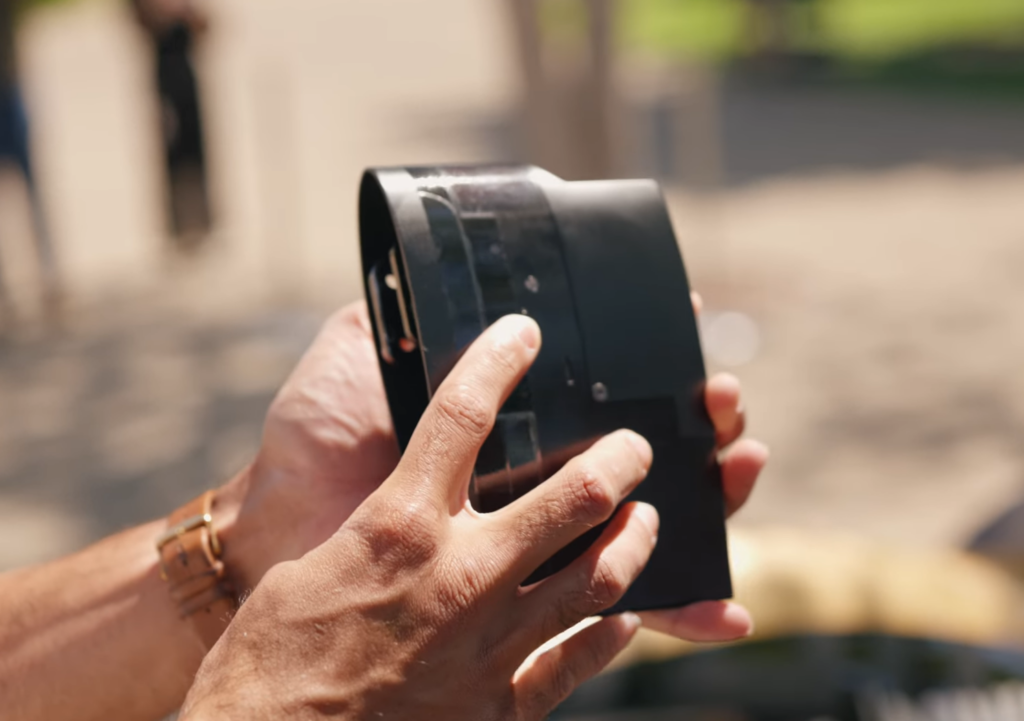
It’s difficult to capture the excitement of Formula One from the driver’s seat, but Apple has a brilliant idea for its next F1 film. Apple’s technical team used iPhone components to create a specialized camera that is tiny enough to put directly on race vehicles in order to capture real-time, high-speed point-of-view footage.
The movie, which was directed by Joseph Kosinski of Top Gun: Maverick, required cinematic-quality images from the cockpit, which were just not possible with the F1 broadcast cameras that were in use at the time. Those cameras lack cinematic versatility and sharpness since they were made for live television. Apple started again rather than attempting to modify their film in post-production.
Apple created a unique camera module that was sized and shaped like typical F1 broadcast units, but it was driven by iPhone technology, presumably the A17 Pro chip and 48MP primary sensor seen in the iPhone 15 Pro. A neutral density filter to control exposure in bright light, an iPhone battery, and a customized version of iOS that recorded in Apple’s ProRes Log format—ideal for color grading and integrating with conventional.
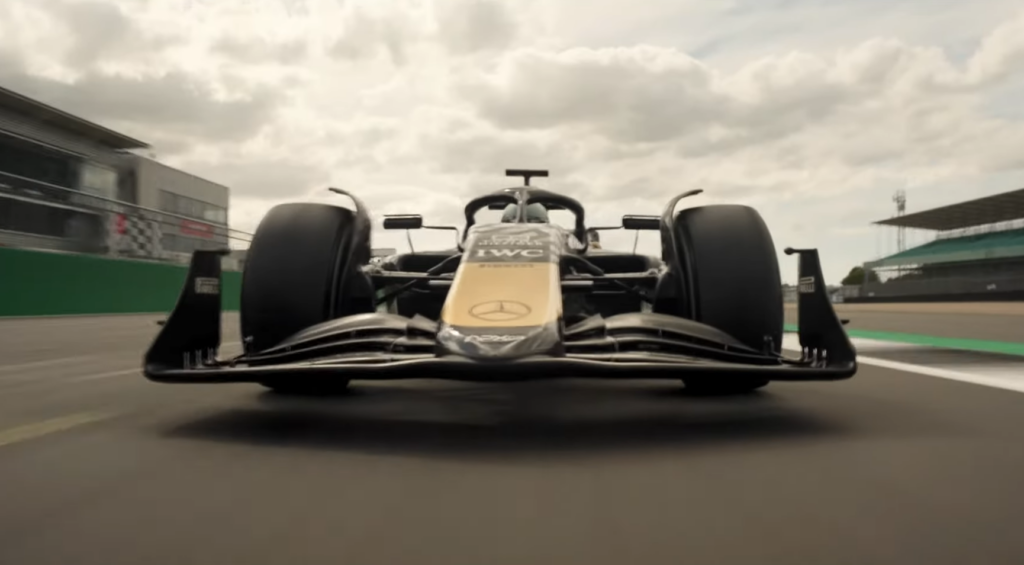
Although the setup lacked wireless radios, which are necessary in Formula One, on-set personnel were able to change frame rate, shutter angle, white balance, and other parameters in real time with a customized iPad software that was connected by USB-C. Tested in real Formula One races in 2023 and 2024, it withstood stress, heat, and severe vibration, even surpassing the sport’s durability requirements.
This unique hardware configuration did more than merely assist Apple in producing a film. Additionally, it resulted in tangible product enhancements: the initiative immediately led to the introduction of two professional video capabilities with the iPhone 15 Pro: log encoding and ACES color processing. The iPhone module offered immersive, first-person pictures that full-size cinema equipment just couldn’t achieve, even if standard Arri cameras still handled the majority of the film’s graphics.
From Tangerine to 28 Years Later, Apple has a history of promoting iPhone filmmaking, and this most recent example demonstrates the breadth of that ambition. As the Formula One film opens in theaters, Apple’s inventiveness could encourage a new generation of filmmakers to experiment with what’s feasible, not just with an iPhone but also with audacious concepts.