The OnePlus 15 marks a major evolution in the company’s flagship lineup. Rather than simply upgrading core hardware every year, OnePlus has shifted its priorities toward advanced display engineering, more efficient cooling, and a redesigned power system. While it still carries the strong camera and performance identity of the brand, the OnePlus 15 introduces broader changes than what we saw from the OnePlus 11, 12, and 13. Below is a closer look at what sets it apart.
1. Display
The OnePlus 11 brought a 6.7 inch 2K AMOLED screen from Samsung with LTPO 3.0, HDR10 Plus and Dolby Vision, protected by Gorilla Glass Victus. The OnePlus 12 and 13 expanded that to 6.82 inches with BOE panels reaching 4500 nits peak brightness and 2160Hz PWM dimming along with ceramic reinforced Crystal Shield protection. Both also earned DisplayMate A++ recognition.
The OnePlus 15 shifts to a 6.78 inch 1.5K AMOLED panel but introduces an entirely new generation of display capabilities. It launches the third generation Oriental screen with a 165Hz refresh rate and support for high refresh content in popular Chinese social apps. It offers the first hardware based one nit low light mode and includes eye safety innovations such as a hardware low blue light system, a measured SVM below 0.12, and certification for advanced visual protection. The bezels are extremely slim at 1.15 millimeters all around with a balanced flat edged design.
2. Performance and cooling
The OnePlus 11 shipped with Snapdragon 8 Gen 2 and LPDDR5X memory backed by upgraded graphite cooling. The OnePlus 12 adopted Snapdragon 8 Gen 3 and increased the vapor chamber footprint. The OnePlus 13 advanced to Snapdragon 8 Elite with an even larger heat management system.
The OnePlus 15 upgrades to Snapdragon 8 Elite Gen 5 and continues with LPDDR5X but introduces the new Glacier Cooling System. This cooling strategy uses a tear resistant steel layer and high grade aerogel. The vapor liquid contact area has grown by 43 percent and the system doubles its capillary cooling performance. It also includes the first Android based Touch Display Sync technology for better input tracking, plus a new G2 network chip that greatly reduces gaming latency and improves data transmission.
3. Design
The OnePlus 11 highlighted a cosmic inspired look with silk glass. The OnePlus 12 adopted a luxury timepiece theme and repositioned the alert slider for better antenna reception. The OnePlus 13 experimented with new textures like wood grain glass and velvet finishes.
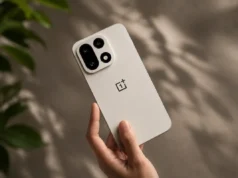
The OnePlus 15 introduces a noticeably different structural style called the Dune Aesthetic. It uses a cubed metal camera layout with precise weight balance and equal bezel thickness to create a refined symmetry in hand. The phone is built with a comprehensive set of durability protections rated IP66, IP68, IP69, and IP69K. It also supports strong haptic feedback with an advanced X axis motor and has dual stereo sound.
4. Camera
The OnePlus 11 featured a 50 megapixel Sony IMX890 main camera alongside a 32 megapixel telephoto with 2x optical zoom. The OnePlus 12 upgraded this to the Sony LYT 808 and added a 64 megapixel periscope module with 3x zoom. The OnePlus 13 retained the LYT 808 but changed its telephoto to a LYT600 unit with enhancements from Hasselblad.
The OnePlus 15 adopts Oppo’s LUMO Condensed Light Imaging platform. It includes three 50 megapixel cameras: the Sony IMX906 for the main lens, a 116 degree ultrawide, and a 3.5x optical zoom periscope. It supports up to 4K 120fps Dolby Vision HDR, 8K recording, enhanced motion capture for Live Photos, and AI driven portrait lighting. The front camera keeps the 32 megapixel resolution and now supports 4K 60fps video.
5. Battery and charging
The OnePlus 11 offered a 5000mAh battery with 100W charging. The OnePlus 12 increased this to 5400mAh with 50W wireless charging. The OnePlus 13 expanded further to 6000mAh and added magnetic wireless charging.
The OnePlus 15 delivers the largest jump with a 7300mAh Glacier Battery. It supports 120W fast charging and 50W wireless charging. OnePlus states that just 5 minutes of charging supplies up to 6 hours of media use and that 5000mAh of the battery can be filled in roughly 13 minutes. The phone uses USB 3.2 Gen1 for faster wired transfers and improved charging heat regulation.
Conclusion
Among recent generations, the OnePlus 15 represents the strongest and most comprehensive update. While earlier models refined the flagship formula through camera and display improvements, the OnePlus 15 rebuilds major pillars like screen technology, cooling systems, and battery capacity. It introduces a more forward looking design and sets a much higher bar for premium Android devices moving forward.
(source)